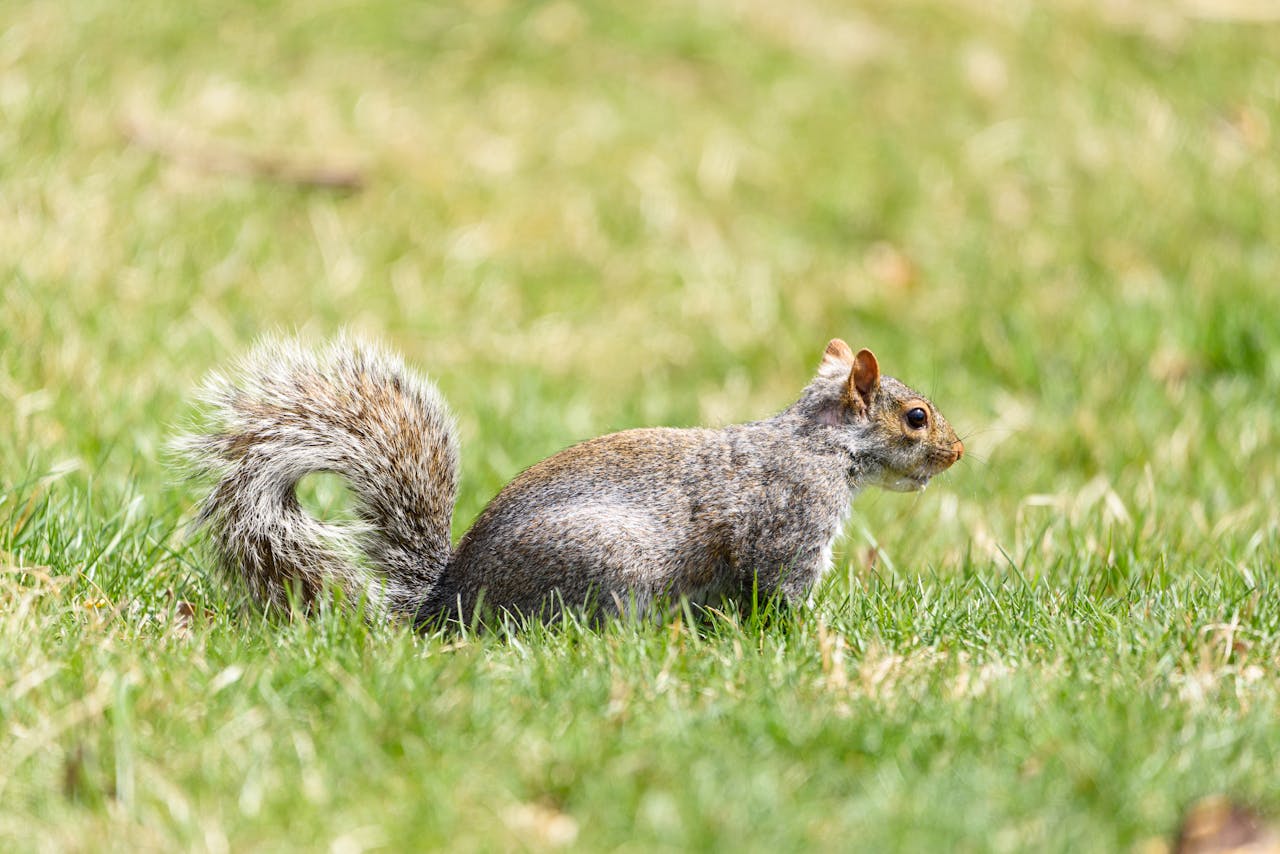
Squirrels may look harmless scampering across your Dallas–Fort Worth backyard, but once they get into your attic they become one of the most destructive—and dangerous—pests a homeowner can deal with. Their nonstop chewing is a leading cause of attic wiring damage and electrical fires. If you hear daytime scratching overhead, it is worth taking seriously.
How squirrels get into attics
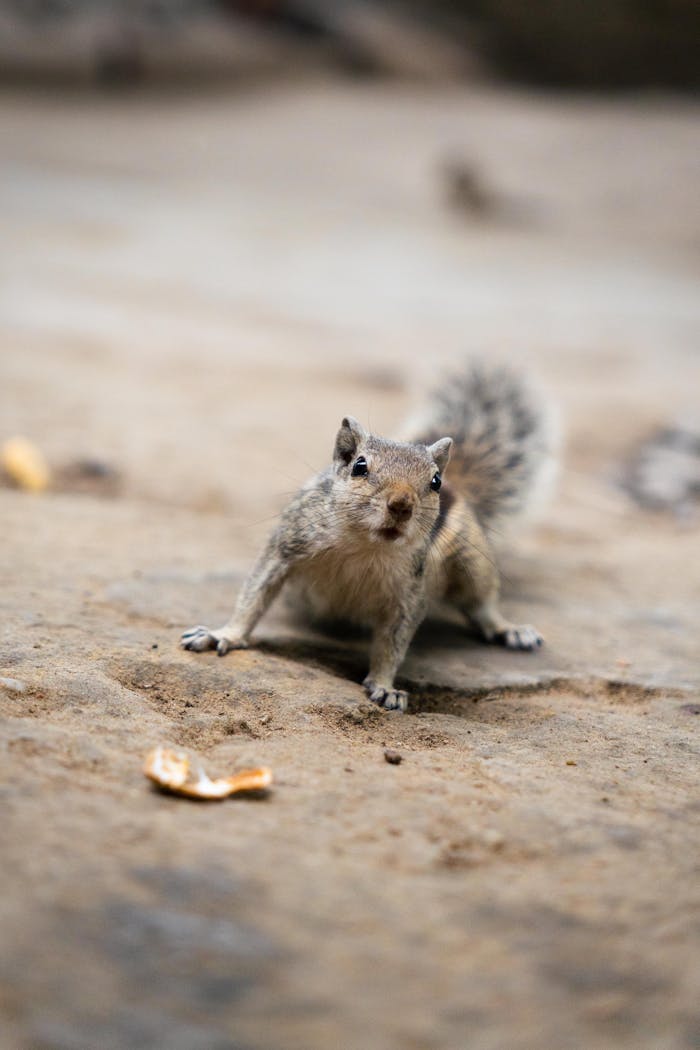
Squirrels are agile climbers that use overhanging tree branches, gutters, and downspouts to reach your roof. From there they exploit gaps in soffits, fascia, gable vents, and roofline junctions—and if the opening is too small, they will gnaw it wider. Attics make ideal nesting sites, especially for females raising litters in spring and fall.
The damage squirrels cause once inside
- Fire hazard: Squirrels compulsively gnaw, and chewed electrical wiring in the attic is a common and serious fire risk.
- Structural chewing: They damage wood framing, fascia, vents, and even PVC and PEX plumbing lines.
- Insulation damage: Nesting squirrels tear up and soil insulation, lowering energy efficiency.
- Contamination: Droppings and urine soak into insulation and drywall, creating odor and health concerns.
Why quick, professional action matters
The longer squirrels stay, the more wiring they chew and the higher your fire risk climbs. DIY trapping often misses nesting young and does nothing to close the entry points, so new squirrels simply move back in. Because squirrels are active during the day and territorial, removal and exclusion need to be timed and sealed correctly to be effective.
How HomeGuard keeps squirrels out for good
HomeGuard Rodent Control removes squirrels humanely and, most importantly, seals your home so they cannot come back. We inspect the entire roofline, identify every entry point, remove the animals and any young, reinforce vulnerable areas, and decontaminate soiled insulation and nesting sites.
This protects both your safety and your finances. Eliminating chewed-wiring fire risk, preserving insulation, and preventing structural damage saves you from major repair bills—and keeps your home value intact for the day you sell. A permanent fix now is far cheaper than repeated trapping and the escalating damage of an ignored problem.
Hearing daytime scratching in the attic? Protect your Dallas–Fort Worth home today.
Schedule Inspection Call (469) 402-9767